Your furnace is supposed to keep you warm, but instead, there’s a little red light blinking at you like it’s trying to send morse code. You stand there staring at it, wondering if your house is about to turn into an icebox.
That blinking red light isn’t random. It’s actually your furnace telling you something’s wrong, and the good news is that most of these problems are easier to fix than you’d think. This guide will walk you through what that blinking means, why it happens, and how you can get your heat back on without spending a fortune on a repair call.
What That Blinking Light Really Means
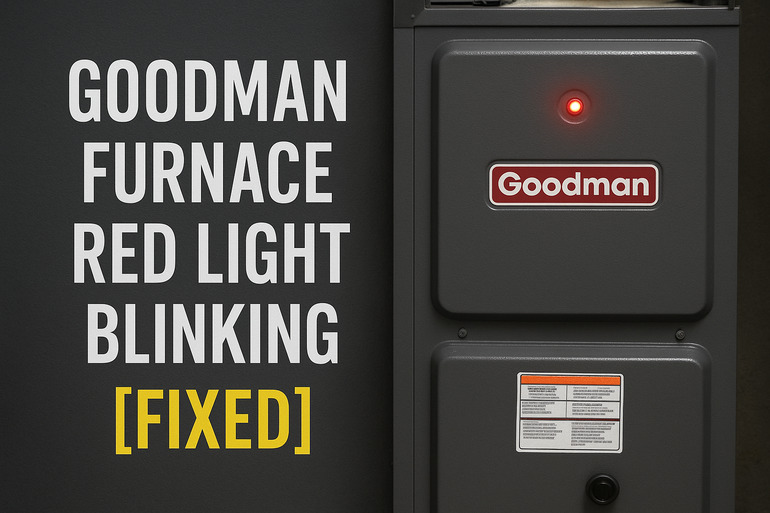
Your Goodman furnace uses that red light like a warning system. Think of it as your furnace’s way of waving a flag and saying “Hey, I need some help here.” The light blinks in patterns, and each pattern tells you what’s going wrong inside the unit.
Most Goodman furnaces have a diagnostic system where the number of blinks corresponds to a specific error code. One blink might mean one thing, while three quick blinks could mean something completely different. You’ll usually find a chart on the inside of your furnace door that tells you what each blink pattern means. If you can’t find it there, the owner’s manual has this information too.
Here’s what happens if you ignore that blinking light. Your furnace might shut down completely to protect itself from damage. Modern furnaces are smart enough to know when something’s off, and they’ll stop running rather than break something expensive inside. This means you could wake up to a cold house on the coldest morning of the year.
The longer you wait, the worse things can get. A small issue like a dirty flame sensor can turn into a bigger problem if ignored. Plus, running a furnace with an existing problem can waste energy and drive up your heating bills. Some issues can even create safety risks, which is why your furnace has these warning lights in the first place.
Goodman Furnace Red Light Blinking: Likely Causes
Several things can trigger that blinking red light on your Goodman furnace. Each cause has its own signature, and understanding them helps you figure out where to start looking. Let’s go through the most common culprits that send that little red light into blinking mode.
1. Dirty Flame Sensor
The flame sensor is a small rod that sits near the burner flames. Its job is to detect whether gas is actually burning after the furnace tries to light up. Over time, this sensor gets coated with soot and grime from the combustion process, kind of like how your car’s windshield gets dirty.
When the sensor gets too dirty, it can’t “see” the flame anymore even though the flame is right there. Your furnace thinks there’s no flame, so it shuts down the gas for safety. This triggers the blinking red light because the system detected what it thinks is a failed ignition attempt.
This happens to almost every furnace eventually. It’s probably the single most common reason for that blinking light, especially if your furnace runs a lot during cold weather. The sensor might look fine to your eye, but even a thin layer of buildup is enough to cause problems.
2. Pressure Switch Problems
Your furnace has a pressure switch that makes sure the exhaust fan is working properly. Before the furnace lights up, this switch checks that there’s enough airflow to safely vent the combustion gases out of your house. If the switch doesn’t sense the right pressure, it won’t let the furnace start.
Sometimes the little tube connected to this switch gets clogged with dirt or water. Other times, the switch itself wears out and stops working correctly. Either way, your furnace sees this as a safety issue and triggers that blinking light to let you know something’s blocking the normal operation.
3. Limit Switch Activation
The limit switch acts like a safety guard that prevents your furnace from overheating. It sits near the heat exchanger and monitors the temperature. If things get too hot, this switch flips and shuts everything down.
Several things can make your limit switch activate. A dirty air filter is the biggest one because it restricts airflow through your system. When air can’t flow freely, heat builds up faster than it should. Blocked vents or closed registers can do the same thing.
Sometimes the switch itself goes bad and becomes overly sensitive, tripping even when temperatures are normal. This creates a frustrating situation where your furnace keeps shutting off and that red light keeps blinking, even though there’s no real overheating happening.
4. Igniter Failure
Modern Goodman furnaces use an electronic igniter instead of a pilot light. This igniter glows hot and lights the gas when your thermostat calls for heat. After years of heating up and cooling down thousands of times, these igniters can crack or burn out completely.
When the igniter fails, your furnace goes through its startup sequence but can’t actually light the gas. The control board notices this failed attempt and starts blinking that red light. You might hear the furnace trying to start, but it never actually gets warm air flowing.
5. Gas Valve Issues
Your furnace needs gas to create heat, and the gas valve controls when gas flows to the burners. This valve opens and closes based on signals from the control board. If the valve gets stuck, develops electrical problems, or stops responding to commands, your furnace can’t function.
Gas valve problems often show up after the furnace has been sitting idle during warmer months. The valve might have debris in it, or the electrical connections could have gotten loose or corroded. Either way, the furnace tries to start but can’t get gas flowing properly, which triggers the error code and blinking light.
Goodman Furnace Red Light Blinking: How to Fix
Now that you know what might be causing that blinking light, let’s get into actually fixing it. These solutions move from simplest to more involved, so start at the top and work your way down. Most of these fixes take less than 30 minutes and don’t require special tools.
1. Check and Replace Your Air Filter
This sounds almost too simple, but a clogged air filter causes more furnace problems than you’d believe. Pull out your current filter and hold it up to a light. If you can barely see light through it, it’s time for a new one.
Here’s how to do it properly:
- Turn off your furnace at the thermostat and at the power switch near the unit
- Locate the filter slot, which is usually on the side or bottom of your furnace
- Slide out the old filter and note the arrow showing airflow direction
- Insert the new filter with the arrow pointing the same way as the old one
- Turn everything back on and wait a few minutes to see if the blinking stops
A dirty filter restricts airflow so much that your furnace overheats and the limit switch kicks in. Changing the filter might seem like it couldn’t possibly fix your problem, but you’d be surprised how often this simple step gets the heat flowing again. Keep extra filters on hand so you can swap them out every month or two during heavy use.
2. Clean the Flame Sensor
The flame sensor is usually easy to access and clean. You’ll need a small wrench or socket set, fine grit sandpaper or steel wool, and maybe a flashlight.
Start by shutting off power to your furnace at the switch near the unit or at your breaker box. Remove the access panel on your furnace to expose the burner area. The flame sensor looks like a thin metal rod, often made of stainless steel, positioned right near where the flames come up. It’s usually held in place by a single screw or small bracket.
Carefully remove the sensor and gently rub it with fine sandpaper or steel wool. You’re trying to remove the carbon buildup without scratching the sensor too deeply. Wipe it clean with a soft cloth, put it back in place, and tighten the mounting screw. Turn the power back on and see if your furnace fires up normally. Many times, this simple cleaning job solves the blinking light problem completely.
3. Reset Your Furnace
Sometimes your furnace just needs a fresh start, kind of like rebooting your computer when it acts up. Find the power switch on or near your furnace. It usually looks like a regular light switch, often in a red or gray box.
Flip this switch off and wait a full minute. This gives all the electronic components time to fully power down and reset. After the minute is up, flip the switch back on. Your furnace should go through its normal startup sequence.
Watch that red light during this process. If the blinking pattern changes or stops, you’ve reset whatever temporary glitch was happening. If the same pattern comes back after a few minutes, you’ll need to try the other fixes on this list.
4. Inspect the Pressure Switch Hose
Look for a small clear or rubber tube connected to the pressure switch. This tube is usually about the diameter of a pencil and runs from the switch to the draft inducer fan housing. Check this tube for cracks, kinks, or water inside it.
If you see water in the tube, disconnect it from both ends and blow through it to clear the water out. Make sure both connection points are clean before reattaching the tube. If the tube has any cracks or holes, you’ll need to replace it with a new piece from a hardware store. The tube needs to be airtight for the pressure switch to work correctly.
Sometimes the problem isn’t the tube but the connections at either end. Make sure the tube fits snugly on both the switch and the fan housing. A loose connection can cause incorrect pressure readings that trigger the blinking light.
5. Clear Any Blocked Vents
Walk through your house and check every heating vent and return air grille. Move furniture, vacuum out any dust bunnies, and make sure nothing is blocking the airflow. Closed or blocked vents force your furnace to work harder and can trip the limit switch.
Look outside too. Your furnace has an exhaust pipe that vents to the outside of your house. Snow, leaves, or even bird nests can block this pipe. If you see any obstruction, carefully clear it away. A blocked exhaust can cause pressure switch problems and trigger safety shutdowns.
6. Call a Qualified HVAC Technician
If you’ve tried all these fixes and that red light is still blinking, it’s time to call in a professional. Some problems require special tools, replacement parts, or expertise that goes beyond basic troubleshooting. A qualified technician can test components like the gas valve, replace a faulty igniter, or diagnose control board issues.
Don’t feel bad about calling for help. Some furnace repairs involve gas lines and electrical components that really should be handled by someone with the right training and licenses. Your safety matters more than saving a few dollars on a service call.
Wrapping Up
That blinking red light on your Goodman furnace might look intimidating, but it’s actually trying to help you. Most of the time, the fix is something you can handle in less than an hour with basic tools and a little patience. Start with the simple stuff like changing your filter or cleaning the flame sensor, and you’ll often get your heat back without needing to call anyone.
Keep an eye on your furnace throughout the heating season. Regular filter changes and occasional visual checks can prevent many of these problems before they start. Your furnace works hard to keep you comfortable, so give it a little attention now and then, and it’ll keep that red light off where it belongs.